
48.9 million
Estimated sepsis cases worldwide in 2017.
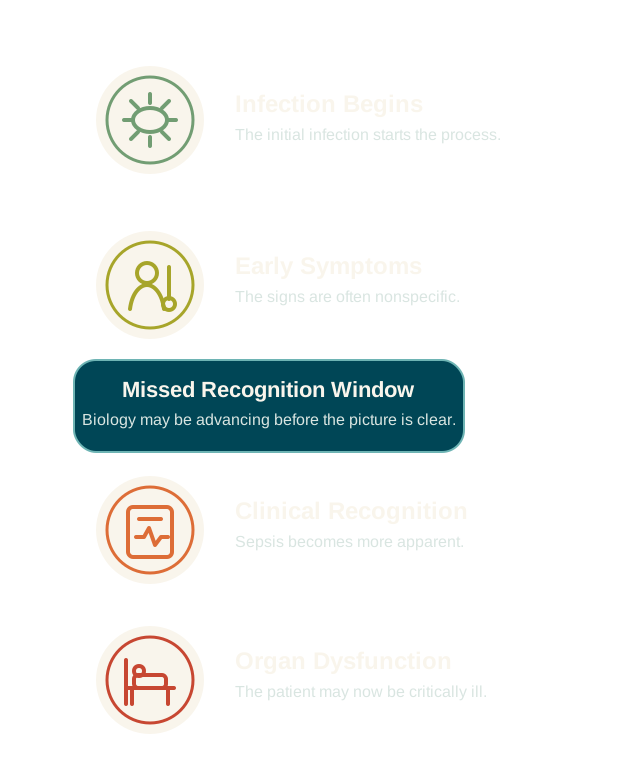
Early sepsis may resemble many other inflammatory and infectious conditions, making timely recognition difficult.
As the patient’s condition evolves, the opportunity for earlier assessment and intervention can narrow quickly.
Sepsis occurs when the body's response to infection causes life-threatening organ dysfunction. Its impact spans hospitals, communities, and every age group.
Estimated sepsis cases worldwide in 2017.
Estimated sepsis-related deaths worldwide in 2017.
Of all deaths worldwide were sepsis-related in 2017.
Global estimates for 2017, published in 2020; not a current-year count. Source: Global Burden of Disease study, The Lancet. Definition: WHO.
Anyone with an infection can develop sepsis. The need for timely recognition is particularly acute in these populations.
Hospitalized patients, especially those in intensive care, are among the groups at higher risk of sepsis.
People with cancer or other conditions that weaken immunity, and those taking immune-suppressing medicines, face increased risk.
Newborns are vulnerable to sepsis. Premature babies face additional risk because their immune systems are still immature.
Loss of the skin's protective barrier increases vulnerability to infection. The inflammatory response to major burns can also make sepsis harder to recognize.
Older adults and people living with conditions such as kidney or liver disease are at higher risk of sepsis.
Critical illness from COVID-19 and other infectious diseases can increase the risk of developing and dying from sepsis, including during infectious disease outbreaks.
Early symptoms can overlap with many other conditions and may not immediately indicate sepsis.
A patient’s condition can change quickly, making sepsis a moving clinical target rather than a single event.
Conventional warning signs may become clearer only after significant physiological changes are underway.